Redbridge Council rules for cemetery flowers what to know
Posted on 14/10/2026
If you are trying to place flowers on a grave in Redbridge, you probably want a simple answer: what is allowed, what is frowned on, and how do you avoid causing a problem? That is fair enough. In a cemetery, small details matter more than people expect. A loose vase, a faded wreath, or flowers left in the wrong spot can become an issue quickly.
This guide on Redbridge Council rules for cemetery flowers what to know explains the practical side in plain English. We will look at how cemetery flower arrangements are usually handled, why the rules matter, what to choose, what to avoid, and how to stay respectful without overthinking every stem. You will also find a checklist, a comparison table, and answers to the questions people ask most often.
Truth be told, most people are not trying to break rules. They are trying to show care. The tricky bit is that memorial areas can have local expectations about safety, tidiness, and maintenance. So let us make it straightforward.
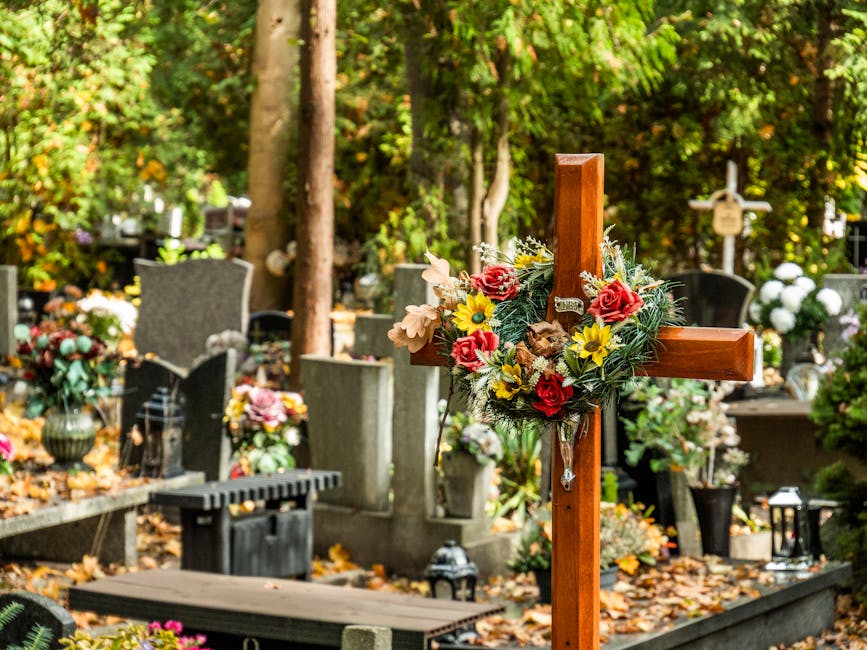
Why Redbridge Council rules for cemetery flowers what to know Matters
Cemetery flowers are not just decoration. They are part of how families remember someone, especially on birthdays, anniversaries, Mother's Day, Father's Day, and days when the cemetery feels strangely still. A neat posy can be a comforting sight. A trampled or overgrown tribute, on the other hand, can feel disrespectful to everyone nearby.
Local cemetery rules usually exist for a few practical reasons:
- to keep paths and memorial areas safe and accessible
- to make maintenance easier for staff and grounds teams
- to reduce clutter, damage, and blocked sightlines
- to keep the cemetery looking calm and orderly
- to prevent items becoming a hazard in wind, frost, or mowing conditions
That is the real point. The rules are not there to make remembrance harder. They are there so the place can stay dignified for everyone. And if you have ever stood in a cemetery on a wet afternoon, hearing gravel underfoot and seeing flowers bowed by the rain, you will know how quickly a thoughtful tribute can become untidy if it is not suited to the setting.
One thing people often miss is that flower rules are not always about the flowers themselves. They can also involve containers, placement, and the length of time items are left in place. A bouquet may be welcome, but a heavy pot, a breakable vase, or a plastic wrap that blows away may not be ideal. Small thing, big difference.
Expert summary: The safest approach is to choose a tidy, stable, weather-resistant arrangement, place it where it does not interfere with access or maintenance, and remove it before it becomes tired or unsafe. Respect is usually about consistency, not extravagance.
How Redbridge Council rules for cemetery flowers what to know Works
In practice, cemetery flower guidance tends to work around a few simple ideas. You usually need to think about where the flowers go, how they are secured, what materials are used, and how long they stay there. That is the core of it.
Although the exact details can vary by cemetery section or memorial type, the common approach is this: flowers should not obstruct paths, create a trip hazard, interfere with cemetery machinery, or prevent routine upkeep. If a memorial has a specific container area or a designated vase point, that is often the best place to use.
Here is the basic logic that usually applies:
- Place flowers safely. Keep them upright, secure, and out of the way of foot traffic.
- Use suitable containers. Stable vases or containers are usually better than loose bottles or fragile jars.
- Avoid overfilling the space. One neat tribute is better than several items crowding the grave.
- Check for weather damage. Wind, rain, and frost can turn a beautiful arrangement into litter very quickly.
- Remove wilted flowers promptly. This keeps the area tidy and stops old arrangements from becoming unsightly.
You may also find that some cemeteries have more specific expectations around artificial flowers, cellophane wrapping, ornaments, or memorial items left for long periods. Those details matter. To be fair, it is the sort of thing you only need to get wrong once before you realise how annoying it can be to return and find a tribute moved or removed. Better to plan properly.
For people arranging flowers for a memorial service, it can help to think ahead. If the flowers need to travel from a florist to the cemetery, a sturdier style may be more sensible than a loose hand-tied bunch. In that context, something designed for sympathy or funeral use often works better than a general gift bouquet. If you are choosing arrangements for a memorial occasion, you may also find funeral flowers in Barkingside useful as a reference point for suitable tribute styles.
Key Benefits and Practical Advantages
Following cemetery flower guidance is not just about compliance. It saves time, avoids awkwardness, and makes the memorial feel more considered. The benefits show up in small, real ways.
- Less maintenance stress: You are less likely to have flowers blown over, crushed, or removed.
- Better presentation: A simple, tidy tribute often looks more heartfelt than an elaborate but unstable one.
- Fewer disputes: Clear placement reduces the chance of family tension or complaints from neighbouring plots.
- Safer for visitors: Paths stay easier to walk, especially for older relatives or anyone with mobility concerns.
- More respectful over time: Flowers that are refreshed regularly keep their meaning. Wilted blooms tend to feel sad in a less helpful way.
There is also a practical money point here, even if nobody likes to talk about it. Choosing a better-suited arrangement can mean you replace it less often. A small, durable tribute can sometimes outlast a larger, fussier display. Not glamorous, but true.
Another quiet advantage: when a cemetery area looks cared for, the memorial stands out more clearly. The flowers do their job. They support the memory, rather than fighting the space around them. That balance matters more than people think.
Who This Is For and When It Makes Sense
This guidance is useful for anyone placing flowers at a grave or memorial in Redbridge, but it is especially relevant if you are:
- a family member visiting a loved one's grave regularly
- arranging flowers for a funeral or memorial service
- looking after a grave on behalf of relatives who live elsewhere
- choosing seasonal tributes for anniversaries or religious observances
- unsure whether artificial flowers, vases, or memorial accessories are suitable
It also makes sense if you are ordering from a local florist and want the arrangement to arrive looking right rather than a bit compressed and tired by the time you reach the cemetery. Any florist worth their salt will understand that cemetery flowers need a steadier structure than many gift bouquets. You do not need something overly fancy. You need something that behaves itself.
People often ask whether cemetery flowers are only for funerals. Not at all. Many families bring flowers at quieter times of the year, just to keep a connection alive. A fresh bunch in early spring or a simple tribute before winter can feel like a small act, but a meaningful one. Those little routines carry weight.
Step-by-Step Guidance
If you want a practical way to approach this without second-guessing everything, use the steps below. They are simple, but they work.
1. Check the memorial type
Start by looking at the grave or memorial itself. Is there a vase area, a holder, or a raised memorial surround? Some graves are better suited to small arrangements, while others can take a more formal tribute. If you are unsure, treat it as a space that should stay clear and easy to maintain.
2. Choose flowers that suit the setting
For cemeteries, a stable, compact arrangement usually works best. Sympathy flowers, posies, sprays, wreaths, and tribute pieces are common choices. If you want something traditional, white, cream, soft pink, purple, or mixed muted tones often feel appropriate. Bright colours are not wrong, by the way; they just need to be chosen with care so they do not look out of place.
3. Pick the right container or wrapping
Use a vase or container that will not tip over easily. Avoid anything that could crack in frost or blow around in the wind. If an arrangement comes wrapped, remove excess plastic if it is not needed. That small piece of housekeeping helps far more than people expect.
4. Place the tribute neatly
Do not spread flowers across several areas unless the cemetery specifically allows it. Keep the tribute contained and tidy. If you are leaving flowers after a service, make sure they are positioned where they will not obstruct walkways or neighbouring plots.
5. Return to refresh or remove them
Flowers do not stay beautiful forever. That is obvious, but easy to forget. Check them after a few days, especially in hot or wet weather. If they are wilting, collapse-prone, or becoming untidy, remove or refresh them. A half-faded bouquet can look more neglected than no flowers at all.
6. Adjust for the season
In winter, choose sturdier flowers and secure them well. In summer, go for varieties that can handle warmth a bit better. If there is strong wind or rain, a heavier base or lower arrangement can save you a trip back later. London weather being what it is, this is rarely a bad idea.
7. Be considerate of others
Think about nearby graves and visitor access. A memorial space is shared ground, in a sense. The best tribute is one that feels personal without becoming disruptive. That is the sweet spot.
Expert Tips for Better Results
A few small choices make a surprisingly big difference. Here are the ones that tend to matter most in real life.
- Keep the design simple. Neat beats noisy, almost every time.
- Use seasonal flowers where possible. They usually last better and look more natural.
- Choose sturdy stems. Carnations, chrysanthemums, lilies, roses, and alstroemeria are often sensible choices for memorial work.
- Match the tribute to the moment. A formal wreath may suit a funeral service; a compact posy may suit a regular grave visit.
- Ask the florist for a cemetery-safe style. Tell them the arrangement will be taken to a grave, and they can often suggest a more suitable build.
One useful habit is to think in terms of weather and distance. If you need to carry flowers from home to the cemetery, a secure arrangement with less loose foliage is better. If the flowers are being delivered, ask for a design that can survive transport without flattening itself halfway through the journey. It sounds obvious, but people still order something very delicate and then wonder why it looks a bit sad on arrival.
There is also a dignity point. A tribute does not need to be expensive to feel respectful. A well-chosen arrangement with clean lines and fresh flowers often feels more thoughtful than a larger, overloaded display. To be fair, the heart of it is care, not size.
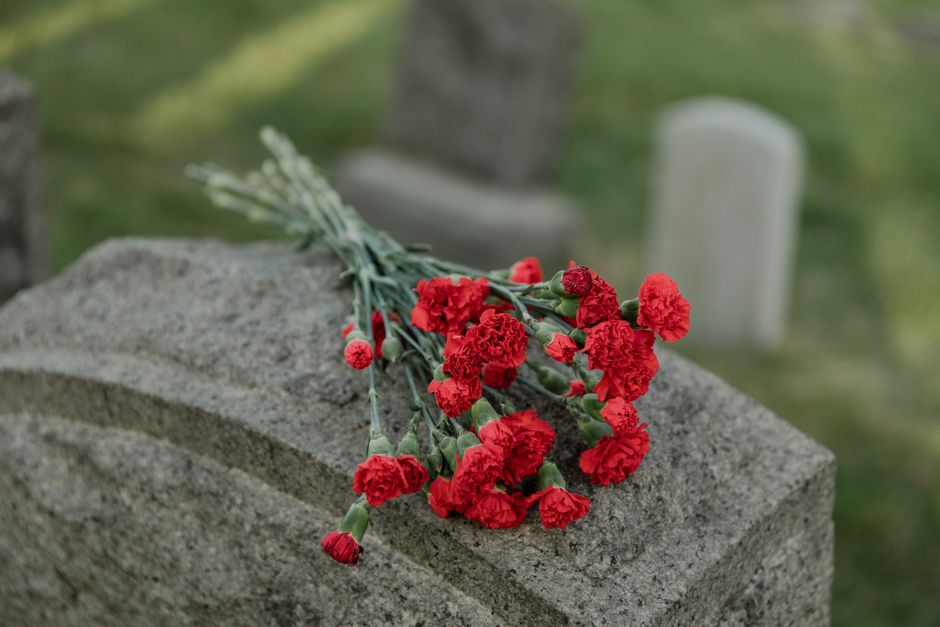
Common Mistakes to Avoid
Most problems are caused by very ordinary mistakes. The good news is that they are easy to avoid once you know what to look out for.
- Leaving flowers too long: Wilted or moulding flowers can become unsightly quickly.
- Using unstable containers: Bottles, light jars, or loose vases often tip over.
- Blocking paths or adjacent graves: Even a lovely tribute can become a nuisance if it spreads too far.
- Ignoring weather: Wind and rain can scatter petals, ties, and wrapping materials.
- Mixing too many items: Flowers, cards, ornaments, and keepsakes can crowd the space.
- Assuming every cemetery is the same: One section may allow more than another. Do not guess if you can avoid it.
The most common one, honestly, is overcomplication. People arrive with the best intentions and then add one more ribbon, one more spray, one more card, and suddenly the grave is looking fussy rather than calm. You can feel it when it happens. Less is often kinder.
If you want a style that is generally easier to manage, sympathy arrangements and wreaths tend to be more stable than loosely tied bouquets. If you are considering remembrance pieces for a grave visit, sympathy flowers and wreaths are often practical options because they are designed with memorial use in mind.
Tools, Resources and Recommendations
You do not need much to keep cemetery flowers looking tidy, but a few simple tools help.
- Securing ribbon or ties: useful for keeping stems in place, though avoid anything that looks messy or dangling
- Small floral scissors or secateurs: handy for trimming stems before you leave the house
- A stable vase or memorial container: the most important item, really
- Water source at home: to hydrate flowers before travel
- Soft cloth or tissue: helpful for wiping stems or cleaning a container before use
For flower choices, it is worth selecting arrangements that are designed with funeral or remembrance use in mind. In many cases, those styles are sturdier and more appropriate than general gift bouquets. If you want something simple and well-suited to memorial visits, browsing local options such as funeral tribute flowers or sprays can give you a practical starting point.
For people who visit regularly, a care routine helps. Check the flowers when you visit. If they are fresh, leave them. If not, take them away before they become part of the mess. Not glamorous again, but it keeps the space looking loved rather than forgotten.
Law, Compliance, Standards, or Best Practice
When people talk about cemetery flowers, they often jump straight to "rules" as if there is always one strict written answer. In reality, the situation is usually a mix of council guidance, cemetery regulations, site-specific rules, and general best practice. That means you should be careful about assuming something is allowed simply because it worked in another cemetery.
As a rule of thumb, the following standards are sensible in most UK cemetery settings:
- do not obstruct access routes or maintenance areas
- keep tributes secure and weather-resistant
- remove damaged, faded, or broken items in reasonable time
- avoid placing items where they could become a hazard
- respect any instructions given by cemetery staff or signage
If there is a conflict between a family preference and cemetery guidance, the cemetery guidance usually wins on the ground. That is not personal; it is about managing a shared public space safely and respectfully. And yes, it can feel a bit rigid when you are trying to honour someone. But once you look at the wider picture, it makes sense.
Best practice is simple: read the on-site guidance, keep the tribute modest and secure, and treat the grave space as a maintained area rather than a private garden patch. That perspective saves a lot of awkwardness.
Options, Methods, or Comparison Table
If you are deciding what kind of flower tribute to use, this comparison may help. The right choice depends on where the flowers are going, how long they need to last, and how much maintenance you want.
| Option | Best for | Advantages | Things to watch |
|---|---|---|---|
| Loose bouquet | Short visits or home remembrance | Simple, flexible, easy to buy | Can fall apart, tip over, or look untidy in wind |
| Posy | Small grave spaces | Compact, neat, easy to place | May need replacing more often in bad weather |
| Spray | Formal memorials and funerals | Looks elegant, holds shape well | Needs stable placement and proper handling |
| Wreath | Services, anniversaries, remembrance occasions | Traditional, balanced, respectful | Can be bulky if the space is small |
| Artificial flowers | Longer display periods | Last longer, less watering needed | Can fade, collect dust, or be restricted by local rules |
| Fresh sympathy arrangement | Cemetery visits and funerals | Natural look, good symbolic feel | Shorter lifespan, needs refresh or removal |
For many families, the best answer is a fresh tribute in a compact, stable format. If the visit is a one-off or a special date, a more formal wreath can be appropriate. If the grave is visited often, smaller and easier-to-maintain flowers may be the more realistic choice. No need to overthink it, but do think a little.
Case Study or Real-World Example
Here is a practical example based on a very common kind of visit. A family member is going to a grave in Redbridge on a Sunday morning, just after rain. They want to leave flowers for a birthday remembrance. They have a hand-tied bouquet in paper wrap, a small card, and a glass jar from home.
What goes well? The flowers are fresh and personal. What needs adjusting? The glass jar is fragile, the wrap may soften in the damp, and the stems may not stand neatly once placed. In that situation, it would make more sense to rework the flowers into a stable vase or use a memorial-safe container before going to the cemetery. If that is not possible, the bouquet should be kept compact and placed carefully so it does not slip in the rain.
Now imagine the same family returns a week later. The flowers are still there, but the card has curled, a few stems are collapsing, and one ribbon is blowing loose. It does not look terrible, but it no longer feels cared for. That is the moment to clear them away and replace them with something fresh if needed.
This sort of thing happens all the time. Not because people do not care, but because grief and everyday life are messy. The good news is that once you build a simple habit around checks and refreshes, the whole process becomes much easier. And a bit kinder too.
Practical Checklist
Use this before you leave flowers at a cemetery grave in Redbridge:
- Have I checked whether the cemetery or grave area has specific flower guidance?
- Is the arrangement stable enough for wind, rain, or cold weather?
- Will the flowers fit neatly without blocking access?
- Have I chosen a suitable container or vase?
- Is the tribute appropriate for the occasion and the memorial space?
- Have I removed excess packaging or loose wrapping?
- Will I return to refresh or remove the flowers in a reasonable time?
- Have I avoided fragile or easily tipped items?
- Does the arrangement feel respectful rather than overcrowded?
- Have I thought about how it will look in a few days, not just today?
If you can tick most of those off, you are probably on the right track. It does not need to be perfect. It just needs to be thoughtful, safe, and neat.
Conclusion
Understanding Redbridge Council rules for cemetery flowers what to know comes down to a simple idea: keep memorial flowers respectful, secure, tidy, and easy to maintain. That is really the heart of it. The best tribute is not always the biggest one. It is the one that still looks cared for after the rain, after a few days, and after the moment has passed.
If you are unsure, choose a compact fresh arrangement, use a stable container, and keep an eye on how it ages. That approach works for most families and most cemetery settings. And when in doubt, a little restraint usually serves you well.
Get a free quote today and see how much you can save.
However you choose to remember someone, the most meaningful flowers are the ones placed with steady hands and a clear heart. That part never gets old.
Frequently Asked Questions
Can I leave flowers at a grave in Redbridge?
In many cases, yes, but the flowers should be placed in a way that does not block access, create hazards, or conflict with cemetery-specific guidance. The safest approach is to keep them neat and stable.
Are artificial flowers allowed in cemeteries?
Sometimes they are, sometimes there are restrictions, and sometimes the issue is more about how long they are left in place. It is best to check the cemetery's own guidance rather than assume.
What is the best type of flower arrangement for a grave?
Compact, stable arrangements such as posies, sprays, or wreaths often work well. Fresh sympathy flowers are usually a good choice if you want something respectful and manageable.
How long can I leave flowers at a cemetery?
That depends on local expectations, weather, and the condition of the flowers. If they start to wilt or become untidy, they should be removed or refreshed promptly.
Can I use a glass vase or jar?
It may be better to avoid fragile containers if there is any chance they could tip, crack, or break. A sturdy memorial-safe container is usually the more practical choice.
Do cemetery flowers need to be removed after a funeral?
Not necessarily straight away, but they should be monitored. Once they fade or become untidy, they should be taken away so the memorial stays respectful and clean.
What flowers are most suitable for memorial use?
Common choices include lilies, roses, carnations, chrysanthemums, and alstroemeria. The best option is usually one that feels calm, durable, and appropriate to the person being remembered.
Can I place flowers on a grave without a container?
Yes, but only if they will stay secure and do not create a mess or a hazard. In most cases, a container or vase makes the tribute easier to manage.
What should I do if flowers blow over or get damaged?
Remove the damaged items or secure them again if appropriate. Leaving broken or scattered flowers can make the grave look neglected, even if that was not your intention.
Is there a difference between funeral flowers and cemetery flowers?
Yes, sometimes. Funeral flowers may be designed for a service or chapel setting, while cemetery flowers often need to be more weather-resistant and stable for longer outdoor display.
Do I need permission to leave flowers on a grave?
Usually you do not need special permission for a normal tribute, but you should follow the cemetery's rules and avoid placing anything that conflicts with maintenance or safety guidance.
What is the most respectful way to choose cemetery flowers?
Choose something simple, fresh, and easy to keep tidy. A small, well-made tribute often feels more respectful than a large arrangement that becomes untidy quickly.


